How widely is Greek spoken in households today? And how does its use differ among Greek Americans?
This article examines how Greek language use at home differs among Greek Americans by birthplace, age, and whether they live with a parent born in Greece.
Using data from the 2024 5-Year estimates of the American Community Survey (ACS), approximately 18.8% of persons aged 5 and older who report Greek ancestry in the U.S. speak Greek at home. That’s about 214,701 people across the U.S.
However, not all Greek Americans speak Greek at home at the same rate. Birthplace, age, and whether they live with a parent born in Greece are all associated with differences in Greek language use at home.
Birthplace Makes a Difference
One of the clearest differences in Greek language use is related to where someone was born.
Among Greek Americans born in Greece, about 83% speak Greek at home, compared with approximately 12% of U.S.-born Greek Americans who report speaking Greek at home.
Among Greek Americans born in other countries, about 28% speak Greek at home.
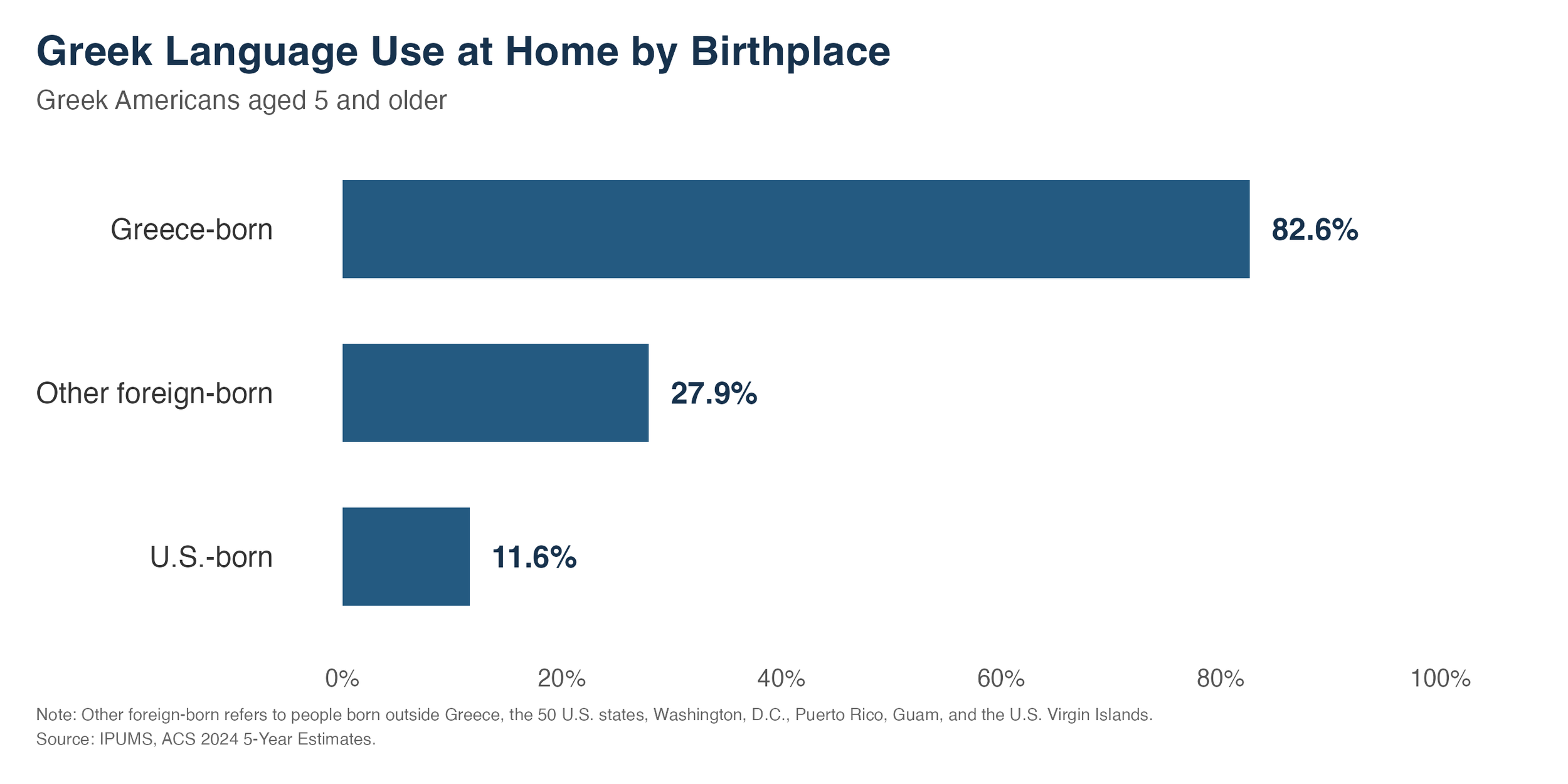
Figure 1. Greek Language Use at Home by Birthplace
These differences are quite large. Greek Americans born in Greece are much more likely to speak Greek at home than those born in the United States or elsewhere.
However, where someone was born does not necessarily tell us how well they speak Greek. For example, someone born in the United States may speak Greek fluently but mostly use English at home. Similarly, someone born in Greece may speak English or another language at home.
In other words, these figures show whether people speak Greek at home, not how well they speak it.
How Does Greek-Language Use Vary by Age?
Greek-language use also varies by age. To look at these differences, we focus only on Greek Americans born in the United States.
Interestingly, those aged 55 and older are not the most likely to speak Greek at home.
Among U.S.-born Greek Americans, 16% of those aged 35-54 speak Greek at home, the highest percentage of any age group. This is followed by those aged 55 and older, at around 13%.
The percentages are lower among younger Greek Americans. About 9% of those aged 5–17 speak Greek at home, compared to 8% of those aged 18–34.
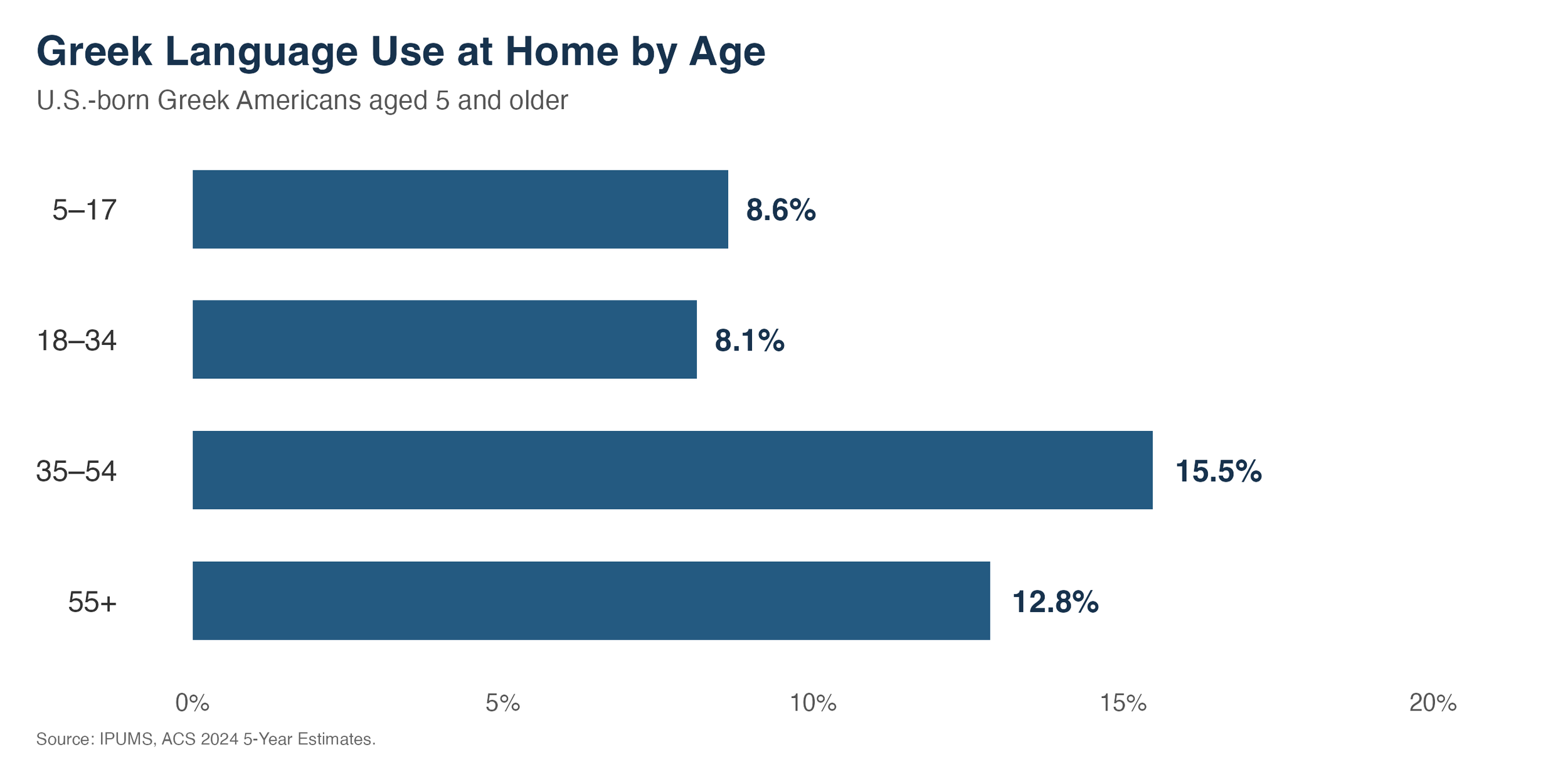
Figure 2. Greek Language Use at Home by Age
These findings show that Greek language use varies across age groups, with U.S.-born Greek Americans aged 35-54 more likely to speak Greek at home than younger age groups.
However, this does not necessarily mean fewer Greek Americans speak Greek at home over time. The data show differences between age groups during the same period, rather than changes in Greek-language use over time.
Does Having a Parent Born in Greece Matter?
Another factor is whether someone lives with a parent born in Greece.
To explore this relationship, we examined U.S.-born Greek Americans aged 5 and older who lived with at least one parent whose birthplace could be identified in the ACS.
The differences are quite large.
Among those living with at least one parent born in Greece, approximately 58% speak Greek at home.
In contrast, among those without an identified Greece-born parent living in the household, only about 7% speak Greek at home.
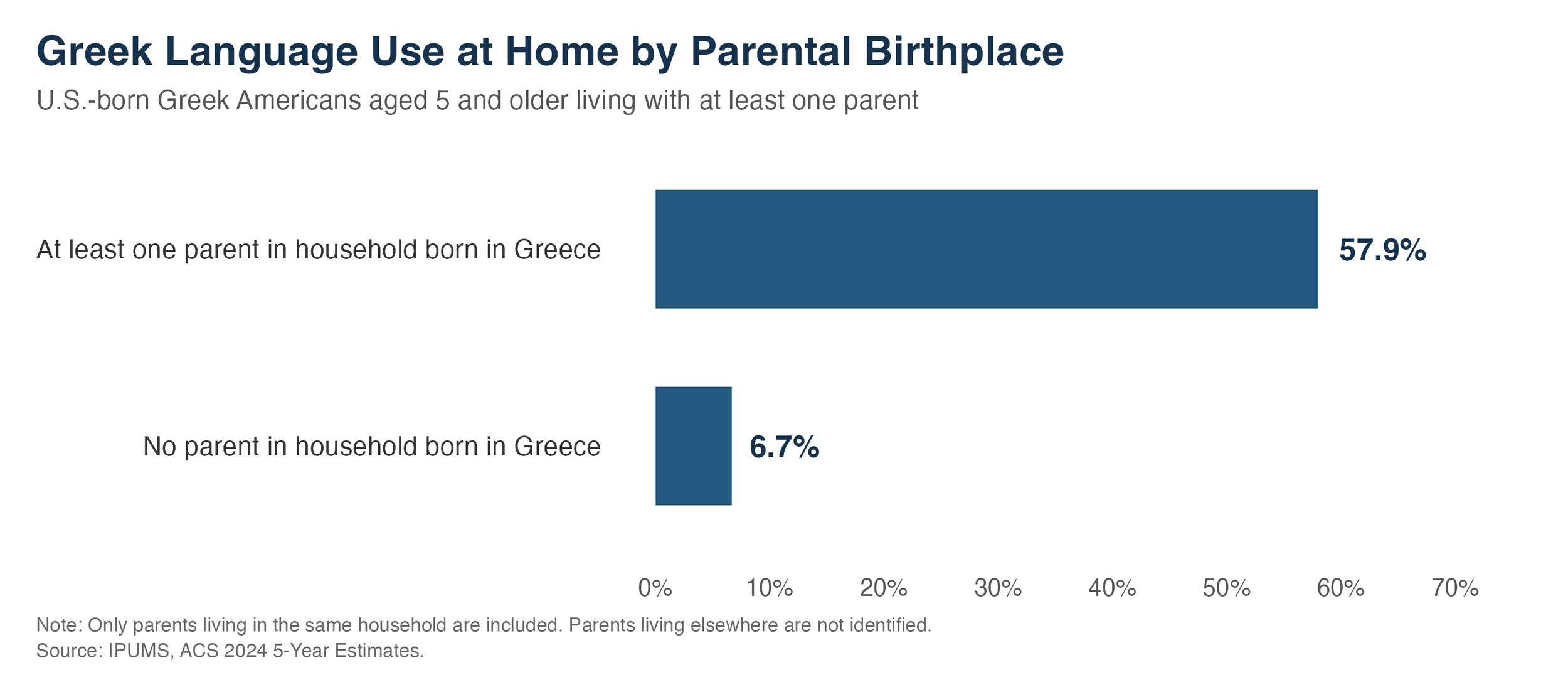
Figure 3. Greek Language Use at Home by Parental Birthplace
This represents a difference of approximately 51 percentage points.
The findings suggest that living with a parent born in Greece is strongly associated with speaking Greek at home.
However, one important limitation remains. The ACS only allows us to identify parents who live in the same household. This means that some people who do not live with a parent born in Greece may still have a Greece–born parent who lives elsewhere.
For this reason, the findings compare U.S.-born Greek Americans who live with at least one parent, based on whether any of those parents were born in Greece. They do not necessarily reflect differences between all second- and third-generation Greek Americans.
What Do These Findings Tell Us?
Taken together, these findings provide a first look at some of the patterns in Greek-language use among Greek Americans:
Greek-language use differs by birthplace. Greek Americans born in Greece are much more likely to speak Greek at home than those born in the United States or elsewhere.
Greek-language use also varies by age. Among U.S.-born Greek Americans, those aged 35–54 are the most likely to speak Greek at home, while children and young adults report lower percentages.
Living with a parent born in Greece is associated with higher Greek-language use. Among U.S.-born Greek Americans living with at least one parent, those who live with a Greece-born parent are much more likely to speak Greek at home than those who do not.
These findings help us better understand which groups of Greek Americans are more likely to speak Greek at home. They also remind us that speaking Greek at home is not the same as knowing how to speak the language.
The ACS does not tell us how well Greek Americans speak Greek, how often they use it outside the home, or whether they learned it from family members, at school, or elsewhere.
Despite these limitations, the findings give us a useful first look at Greek-language use among Greek Americans today and provide a starting point for understanding how it differs by birthplace, age, and whether someone lives with a parent born in Greece.
About the Data
This analysis uses data from the 2024 5-Year American Community Survey (ACS), obtained through IPUMS USA.
The analysis includes people aged 5 and older who reported Greek ancestry. Greek-language use is based on whether respondents reported speaking Greek at home. All percentages and population estimates are weighted to represent the U.S. population.
For the birthplace comparisons, respondents were grouped into those born in Greece, those born in the United States (including selected U.S. territories), and those born elsewhere.
The analysis of parental birthplace includes only U.S.-born Greek Americans living with at least one identifiable parent. Parents living outside the household could not be included.